Do Not Create Separate Mobile Websites

There has been a long-running discussion going on about the mobile Web and the following question: “Is there a mobile Web?” Is the mobile device so fundamentally different that it is necessary to create several websites for it, or is there only one Web that we access using a variety of different devices? Opinions differ about this statement. In the following, the views of an usability expert as well as other opinions and some cases will be critically outlined.

The just mentioned expert recently published his latest mobile usability guidelines. He summarises: “Good mobile user experience requires a different design than what’s needed to satisfy desktop users. Two designs, two sites, and cross-linking to make it all work.” Whereas, others disagree with the idea that people need different content because they are using different types of devices. Firstly, because people have been here before around 2002 when the huge UK supermarket chain Tesco launched Tesco Access. Tesco Access is a website that was designed so that disabled people could browse the Tesco website and buy groceries that would be delivered to their homes. And the heavily stripped down, all server-generated and highly usable website was a great success. One design goal was for example “to allow customers to purchase an average of 30 items in just 15 minutes from login to checkout.”

However, some blind users were not happy. There were special offers on the “normal” Tesco website that were not available on the access website. There were advertisements that were similarly unavailable. The vital point is that one never knows better than his users what content they want. Not considering this, the same usability expert as mentioned above states that mobile websites should “cut features, to eliminate things that are not core to the mobile use case; [and] cut content, to reduce word count and defer secondary information to secondary pages”.

Tesco learned the following: “We have completely redesigned Access so that it is no longer separate from our main website but is now right at the center of it, enabling our Access customers to enjoy the same features and functionality available on the standard grocery website.” The usability expert advises to “build a separate mobile-optimised or mobile site,  if you can afford it.  Good mobile user experience requires a different design than what is needed to satisfy desktop users. Two designs, two websites, and cross-linking to make it all work.” Mostly, building a separate mobile website is considered as a cheaper option in some circumstances when there are e.g. time or budgetary constraints and sometimes teams do not even have another option but creating a separate website due to factors beyond their control.This might not be ideal, but for many it is reality. It is a huge task to re-factorise a whole website with responsive design that requires auditing content. Furthermore, to change the production website with all the attendant risks, to test the whole website to ensure it works on mobile devices and to introduce simultaneously no regressions in the desktop website.

Is the website powered by a CMS, it is mostly cheaper and easier to leave the “desktop website” as it is and to implement a parallel URL structure so that www.example.com/foo is mirrored by m.example.com/foo, and www.example.com/bar is mirrored by m.example.com/bar. The CMS will be simply outputting the information into a highly simplified template for the mobile website. The problem with this approach and a suggestion of the usability expert is: “If mobile users arrive at your full website’s URL, you should auto-redirect them to your mobile website.” But the truth is, you cannot reliably detect mobile browsers in order to redirect them. Some programmers attempt to do this by checking the User Agent string that the browser sends to the server with every request. However, these are easily spoofed in browsers, so they cannot be relied upon.

Twitter forwards users to a separate mobile website

A more troublesome aspect is that there are literally hundreds of UA strings that a detection script needs to be aware of in order to send the visitor to the “right” page. The list is ever-growing, so it is important to constantly check and update the detection scripts. And of course, a new User Agent string is only know about after it turns up in the analytics, so there will be a period between the first visitor arriving with an unknown UA and the same being added to the detection scripts. Despite all this work to set up a second parallel website, there will still be findings that some visitors are sent to the wrong place. The usability expert was right by saying that it is necessary to “offer a clear link from your full site to your mobile site for users who end up at the full site despite the redirect and to offer a clear link from your mobile site to your full site for those users who need special features that are found only on the full site”.

Missing out features and content on mobile devices perpetuates the digital divide. Results of a recent study show that a growing number of people are using mobile as the only way they access the Web. People who can afford only one screen or internet connection are choosing the phone. There is a digital-divide issue here. If the goal is to reach them at all, the only way is to reach them on mobile.

The number of people only using mobile devices to access the Web is even higher in emerging economies. Why would one want to exclude them?
Comments are closed.

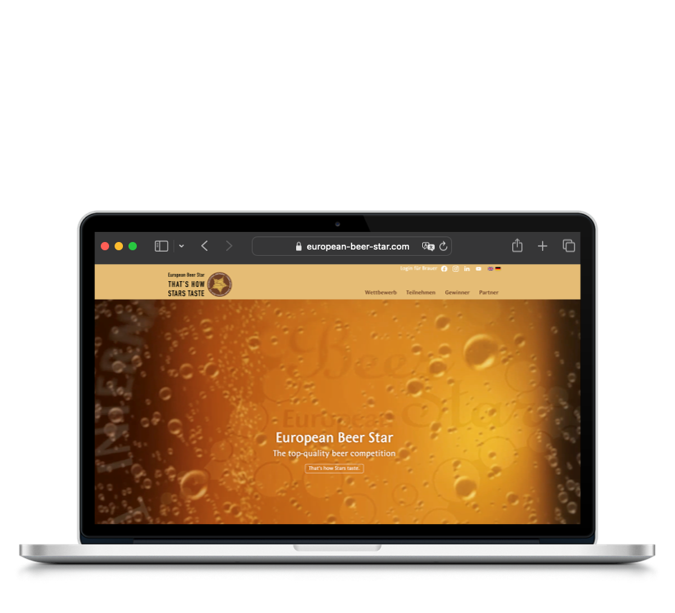
The European Beer Star is an international beer competition that recognizes and awards high-quality beers. Every year, the event hosts a competition where breweries from around the world submit their beers to be judged by an expert panel based on criteria like taste, aroma, and authenticity. The whole process is digitalized.

Inovum supports the European Beer Star in the entire digitalisation process of the event from registration to the evaluation of the winners.

Technologies: Vue.js, Java, PHP, UX/UI, Docker.

In recent years, the registration has been digitized and customers can now pay directly online. This gives the event a cash flow advantage.

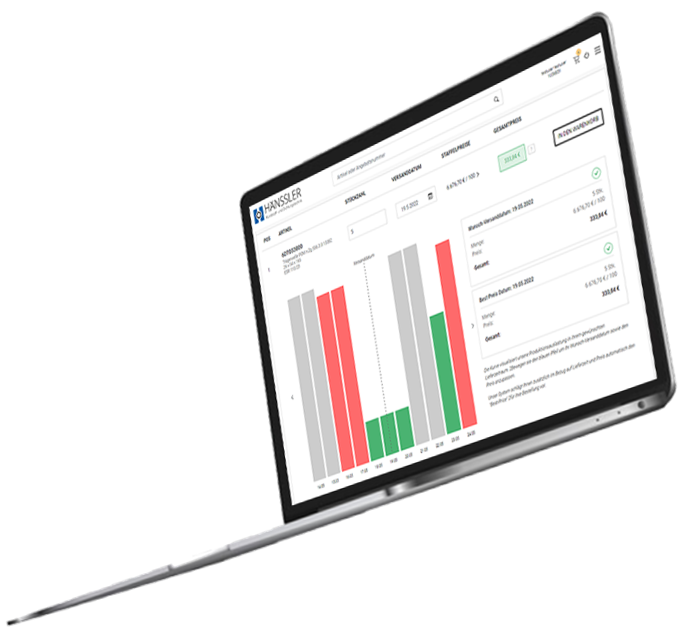
Our customer, Hänssler GmbH, is a sealing technology provider and requires an innovative software that uses production data to manage the purchasing processes.

The purchasing process should be just as quick, easy and transparent as ordering stock items online. The pricing depends on the machine capacity, delivery date, and other custom data.

The platform was implemented with TypeScript (Angular).

Technologies: Java, Angular, IoT, Vue.js, Docker.

A revolutionary sales system that reduces the purchase process from 1 week to 5 minutes with an improved User Experience.

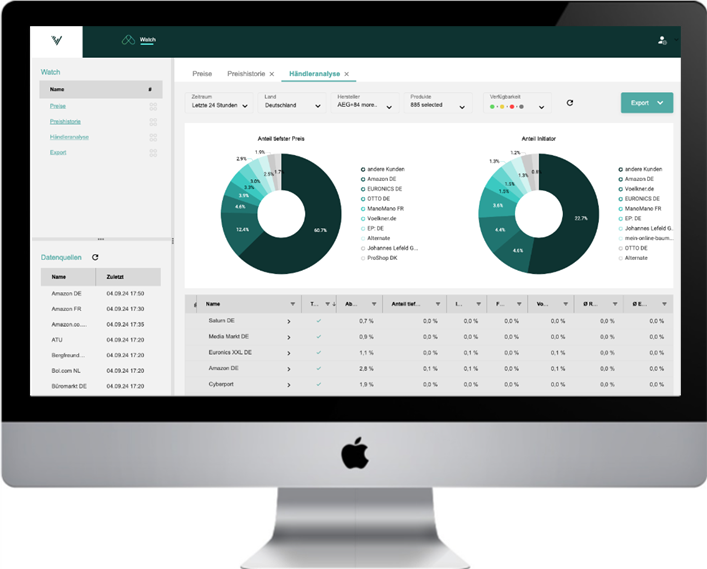
Value Chain Solutions provides Business Intelligence (BI) services and cloud-based solutions tailored for brand manufacturers, logistics providers, and retailers. Their offerings help companies optimize sales, logistics, and supply chain processes by leveraging advanced data analysis tools.

Inovum supports VCS in the development to migrate  the cloud based Sass service to newer  state of the art web technologies.

Technologies: Java, Angular, .NET

In two years 80% of the platform where migrated to a new technology and a new design.

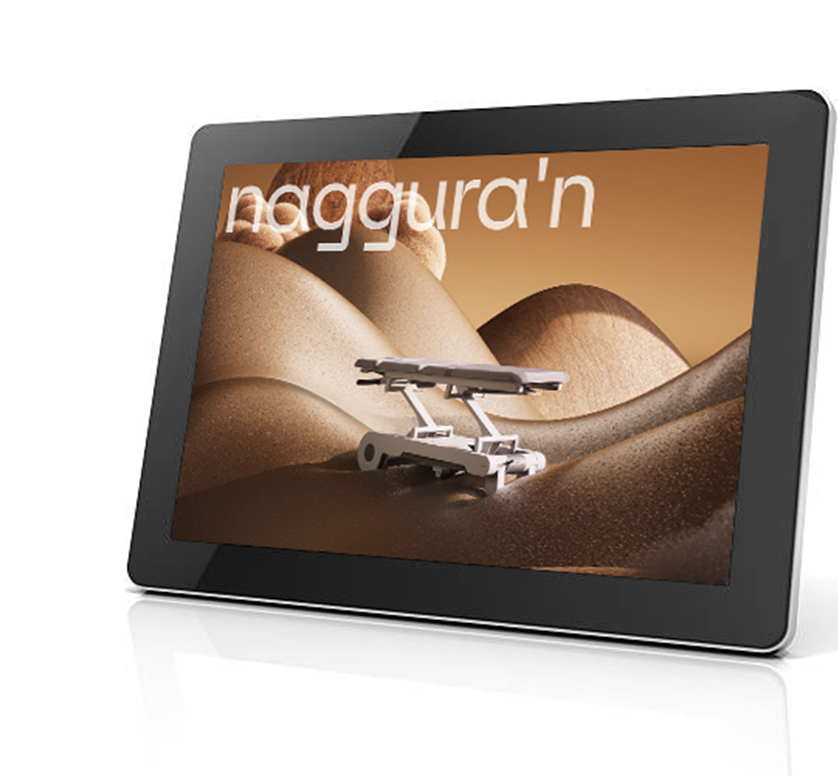
The Spanish company Weelko needed an improved online sales platform and product configurator for their Naggura'n treatment tables.

The platform was implemented with PHP.

Technologies: Apache PHP, MySQL, Nginx

An online sales tool and product configurator that provides technical, functional and comfortable products for physiotherapists.

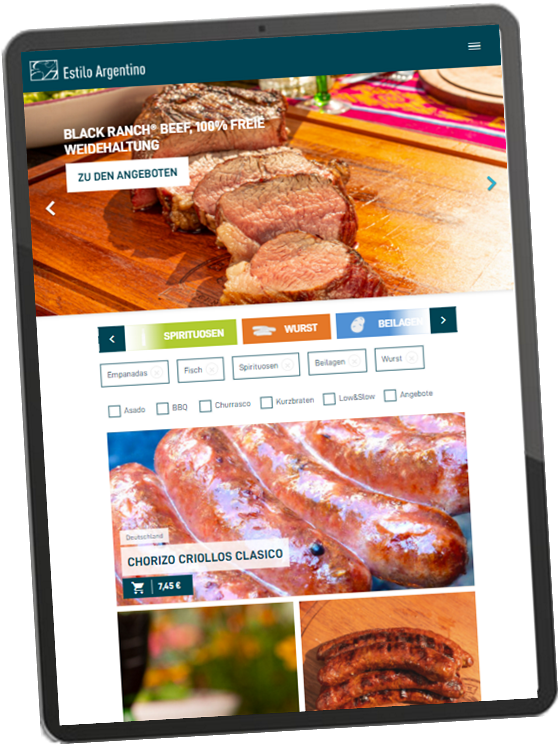
Estilo Argentino is a German meat provider and requires a webshop that allows visitors to view their full range of products and place orders online. Some of the products are weight dependent and require a customized payment process.

The online shop was implemented with PrestaShop.

Technologies: PHP, Linux, Prestashop, Git, SQL, REST, JSON, XML, HTML5/CSS3, eCommerce, SEO, Webdesign, UX/UI.

A modern webshop that uses Catch Weight Management. Customers can place orders online using different payment methods that allow pre-authorization. The sales manager can adjust weight-dependent products according to availability before the end-users are charged with the final price.

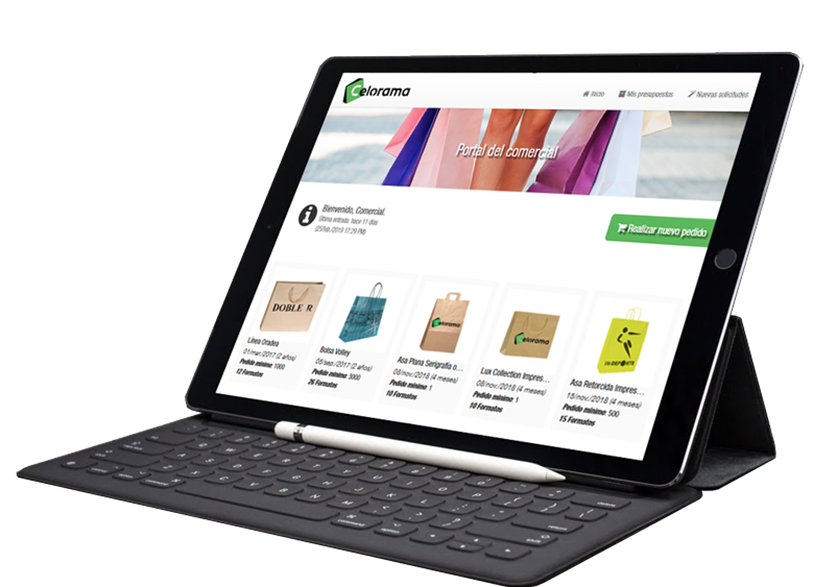
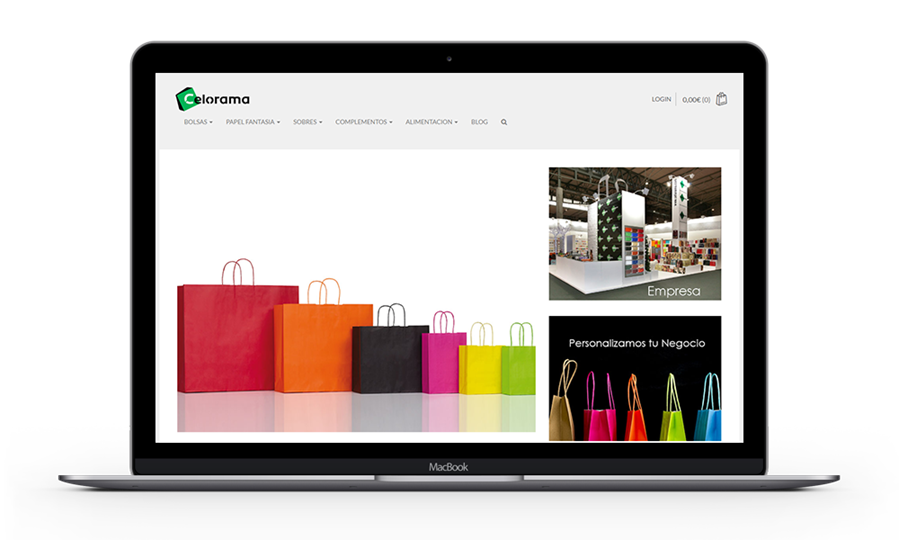
The Spanish packaging company Celorama was in need of a customized sales tool for their sales managers. Through the platform the sales managers are able to calculate wholesale prices for paper and plastic bags and showcase them to their customers.

The platform was implemented with TypeScript (Angular).

Technologies: Java, Angular2+, RestAPI, MongoDB, Docker, Deploy D.

The sales managers are now using a personalized CPQ software which significantly improves the sales process. The software helps sales reps rapidly create estimates, proposals, quotes, showcase products to the customer, and place orders.

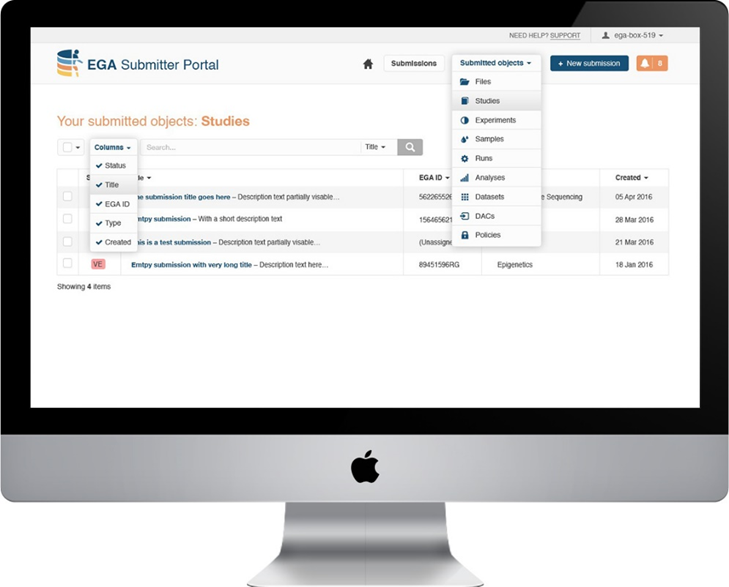
The Center for Genomic Regulation (CRG) is a biomedical and genomics research center. CRG required our support to develop and maintain Europe’s biggest Gene Databank.

Inovum designed and implemented the interface of the submitter’s portal.

Technologies: Java, Angular, MongoDB

Through the submitter’s portal the users can upload genomic data and complete a metadata archive with related information (diseases, health analyses, studies, data access committees, etc.)

Celorama is a packaging company with headquaters in Barcelona. Celorama needed an B2B online shop for large orders.

Celorama is a packaging company with headquaters in Barcelona. Celorama needed an B2B online shop for large orders.

Technologies: PHP, WooCommerce, MySQL, JavaScript, CSS3, HTML5.

A web portal that allows companies to make large orders for paper and plastic bags, adhesive labels and gift ribbons.

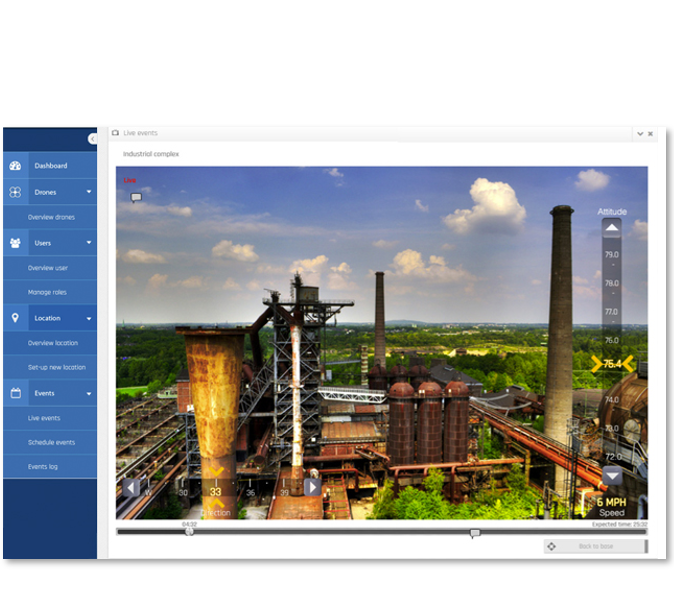
A platform with the main objective of controlling and monitoring drone areas. Drones should be scheduled and their waypoints should be defined on an interactive map.

We implemented a Drone Control System to manage drone fleets and scheduled flight events. The system allows users to define the areas that should be flown over and filmed on an interactive google map in real-time.

Technologies: ReactJs, Java, Spring, Hibernate, Bootstrap, MySQL, GoogleAPI.

The drone control system is being used as a prove of concept prototype. First tests were successful and investors were found to extend the system.

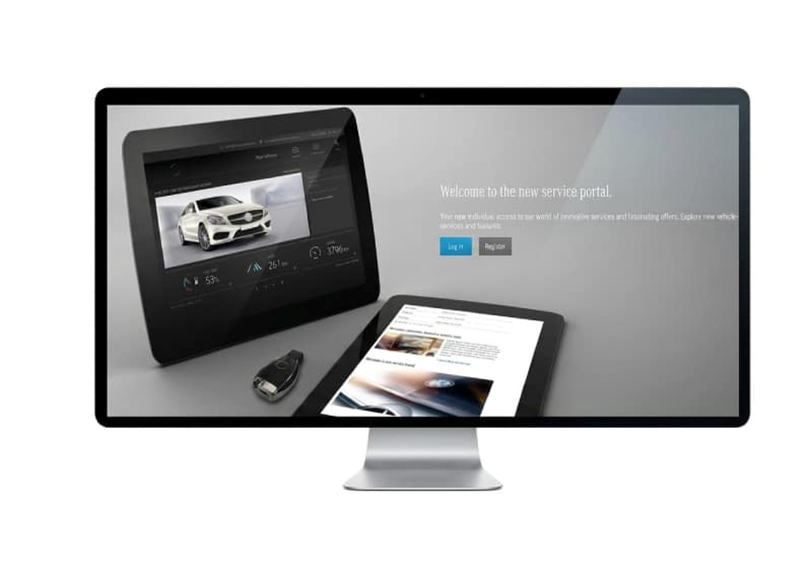
A global automotive company required the implementation of new functionalities and ongoing maintenance for its customer web portal, designed to provide clients with a seamless digital experience.

Inovum implemented various features as Portlets of WebSphere Portal using Java and DB2. The focus was on highly scalable solutions. The System is available worldwide.

Technologies: Java, DB2, WebSphere, JavaScript, jQuery, Bootstrap, CSS3, SASS, HTML5.

Clients gained access to personalized packages of innovative services, products, and lifestyle offers, along with integrated partner solutions through the enhanced platform.

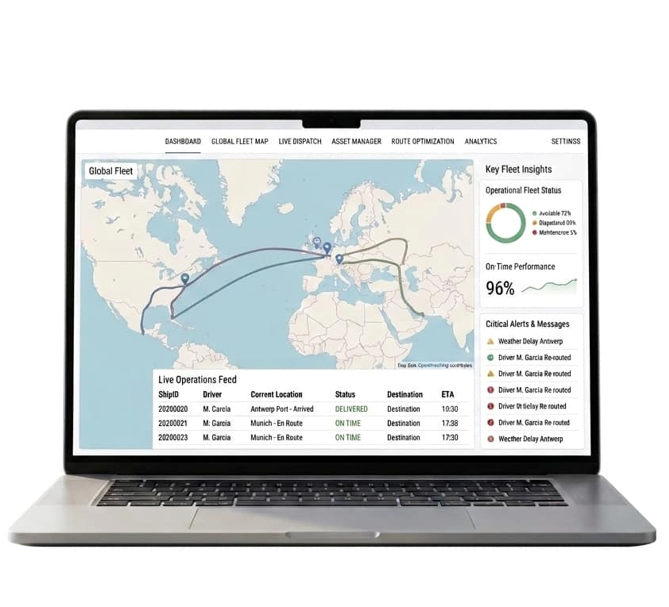
A leading international rail and logistics group required a modern booking platform to streamline logistics operations across multiple business units and countries. The solution needed to support high transaction volumes, provide real-time tracking capabilities, and remain flexible enough to adapt to varying operational requirements.

Inovum implemented a booking and tracking solution based on AngularJS, Java, Spring and Oracle. The focus was on a highly scalable and adaptable platform for the needs of different business units.

Technologies: Angular, Java, Spring, Oracle, Hibernate

The platform was rolled out in more than 30 countries and handled over 5,000 bookings per day. The project was delivered on time and within budget.

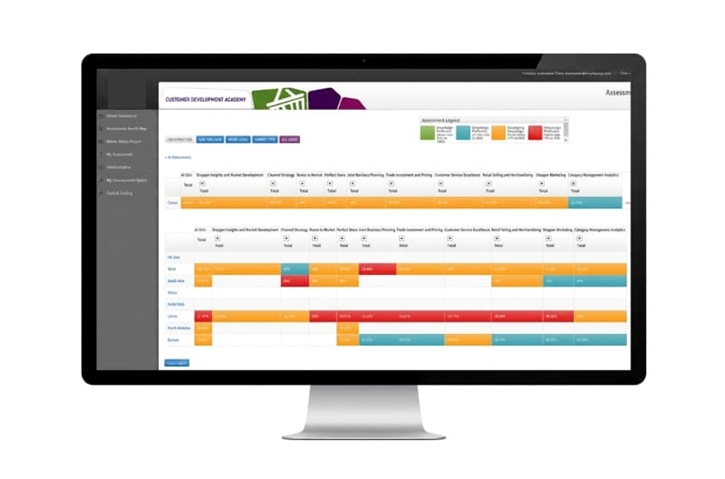
A global consumer goods company needed a talent management system to train, assess, and compare sales teams across different countries and business units.

We designed and implemented a responsive web design in HTML5 combined with Bootstrap. AJAX dynamically loads content without refreshing the web page.  The backend is programmed in Java with Spring MVC and MySQL.

Technologies: Bootstrap, Ajax, Java, Spring MVC, MySQL, Oracle

The platform supported more than 15,000 concurrent users and enabled scalable, cost-efficient employee training and performance analysis.

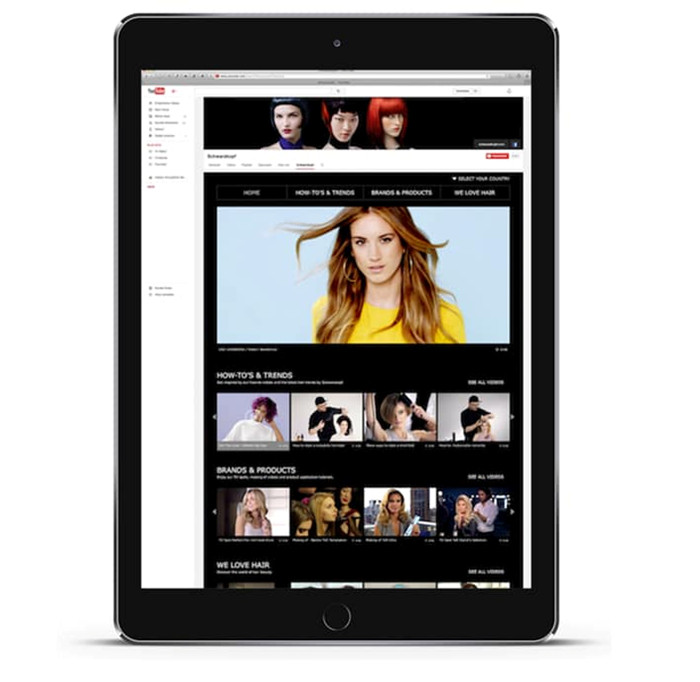
A leading cosmetics and lifestyle brand wanted to create a more engaging video experience to strengthen customer interaction and increase visibility across digital channels.

Based on the existing content management system, Inovum adapted the templates according  to Schwarzkopf’s needs.

Technologies: Java, Spring, Oracle/SQL, React

The platform increased audience engagement and helped drive more traffic and attention to the brand’s YouTube channel.

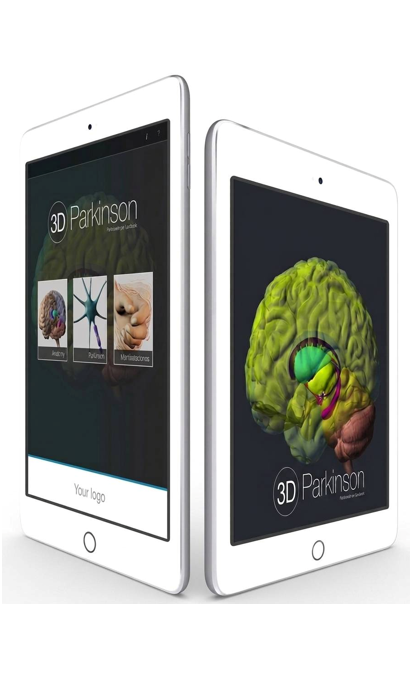
EC-Europe develops medical relevant pharmaceutical promotion. It is a premier provider of doctor-patient communication. EC-Europe has more than 1000 medical illustrations which should be recognized with the app of the camera.

The app is implemented in Unity5 and compiled for Android and iPhone. The picture recognition is based on vuforia libraries. Many animations are in 3D and are being reproduced with Unity.

Technologies: Angular, Java, Spring, Hibernate, Unity5

EC-Europe can now promote it’s illustrations which are usually in a paper catalogue through their apps. Users and clients are thrilled by the animations. The apps are being deployed in 20 different Spanish speaking countries.

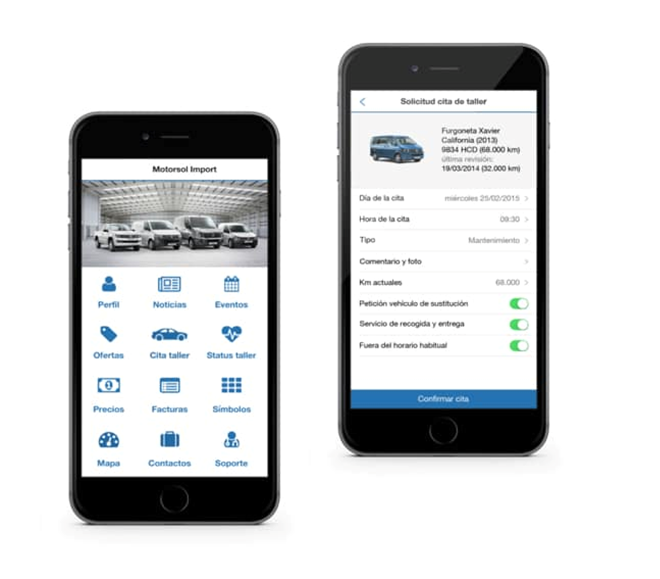
A leading German automotive company required a mobile app for the Spanish market that allowed customers to manage fleets and service appointments, while enabling service stations to send promotions and event notifications directly to users.

The app is implemented natively in iOS and Android and connects to a REST API to the backend server. A special interface was created on the backend to get the needed information from each Service Station. Each Service Station can brand its own app.

Technologies: native iOS and native Android

The completed platform delivered a modern mobile experience for customers and improved digital communication between service stations and their clients.

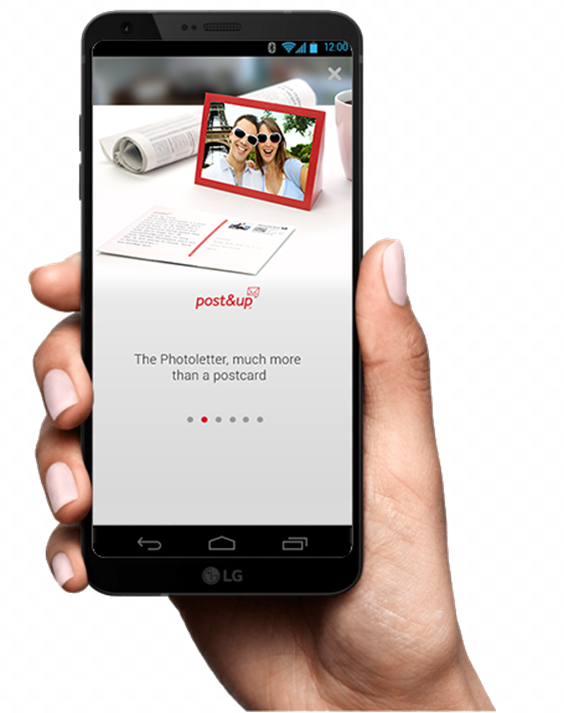
Similar to the web, postandup™ offers its clients through the app the possibility to create real printed postcards, that can be transformed into a picture frame.

The app is implemented in Android and connects via REST API to the postandup server. The photo manipulation is completely done on the Smartphone. Users can access their galleries, take photos and use their contacts to send postcards.

Technologies: Java, Spring, REST API, Android

Transform, turn and zoom photos. Making the app work smoothly on all kind of smart phones was a challenge. The app has to manage the memory resourced well as photo manipulation can quickly cause out of memory exceptions.

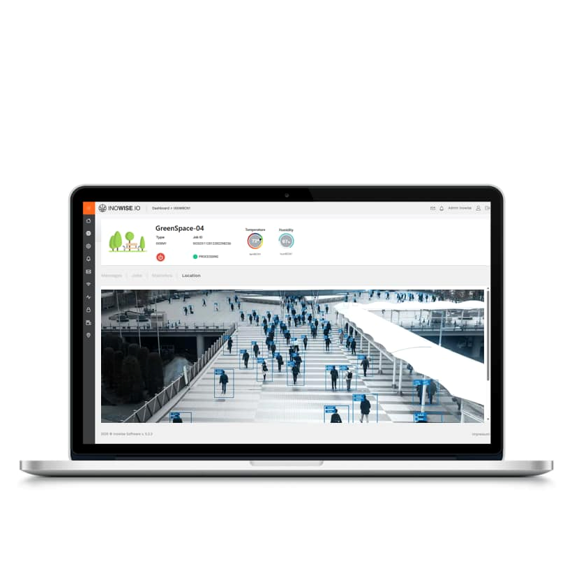
INOWISE.IO is a smart IoT asset management platform developed to monitor, control, and analyze devices, machines, and sensor data in real time.

The platform supports a wide range of use cases including smart buildings, smart cities, industrial monitoring, predictive maintenance, GPS tracking, and AI-based analytics.

The platform was implemented with TypeScript (Angular).

Technologies: Java, Angular, REST API, Docker, IoT, LoraWan

A scalable IoT platform that enables real-time monitoring, intelligent automation, predictive analytics, and centralized asset management through a modern and user-friendly interface.

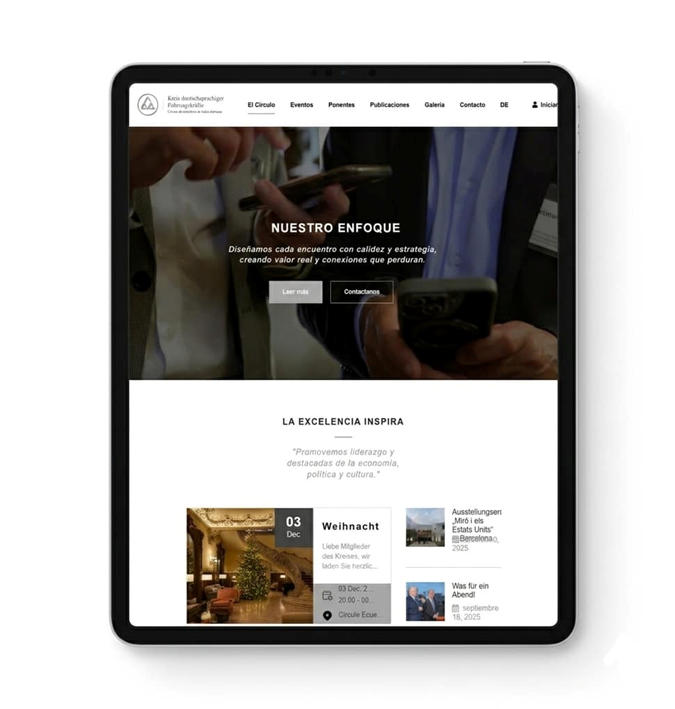
Kreis Barcelona required a modern multilingual website to present the organization, publish events and news, and strengthen communication within its network of German-speaking business professionals and executives in Barcelona.

The website was developed with WordPress and customized using PHP, JavaScript, CSS, and HTML to provide a modern, user-friendly, and responsive digital experience.

Technologies: WordPress, PHP, JavaScript, CSS, HTML.

A professional web platform that improves visibility, simplifies content and event management, and enhances communication and engagement within the community.